One day, my eldest daughter asked me a question. She wanted to know where I would go when I died. I answered her: “Where will I go? I’ll go to the stars.” My own answer made me reflect deeply on the validity of that belief.
I lost my father when I was eighteen. Both my father and my mother are deeply religious and catholic. My mother attended a catholic boarding school run by nuns and, at seventy-eight, she still goes to church every Sunday. My father used to read the Bible at night and was more dogmatic than my mother, who gradually began to loosen her faith. There are things she believes in and others she does not. During the grieving process after my father’s death, believing “in something” helped me through several years of profound pain and loss. But that faith gradually faded. There were several things in my life that distanced me from it, particularly the role assigned to women within the catholic church.
And yet, despite this, I cannot stop believing that there is some kind of life after death. Over the years, I realised that I had always been searching for the “sacred”, but perhaps in places religion had never taught me to look: in trees, in the sea, in the moon. At the same time, I have always wondered about those who know what exists in the “beyond”; about the people who have already been into space; about those who, as part of their profession, look up at the sky every day.
ASTROS is the first time I have made this search the centre of a film. I want to approach this work in the same way I would approach a scientific method: starting from doubt, with open questions, willing not to find definitive answers. What exists between faith and science? Can they coexist? Does the cosmos tell us something about who we are?
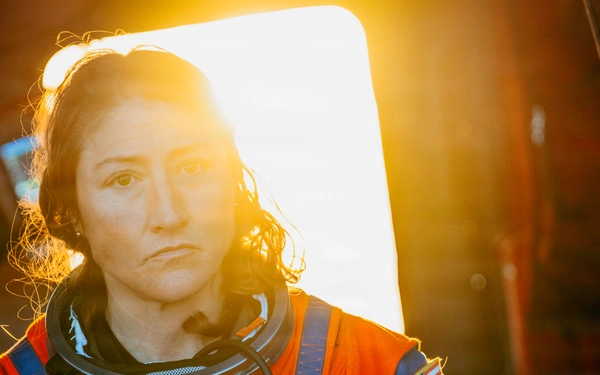
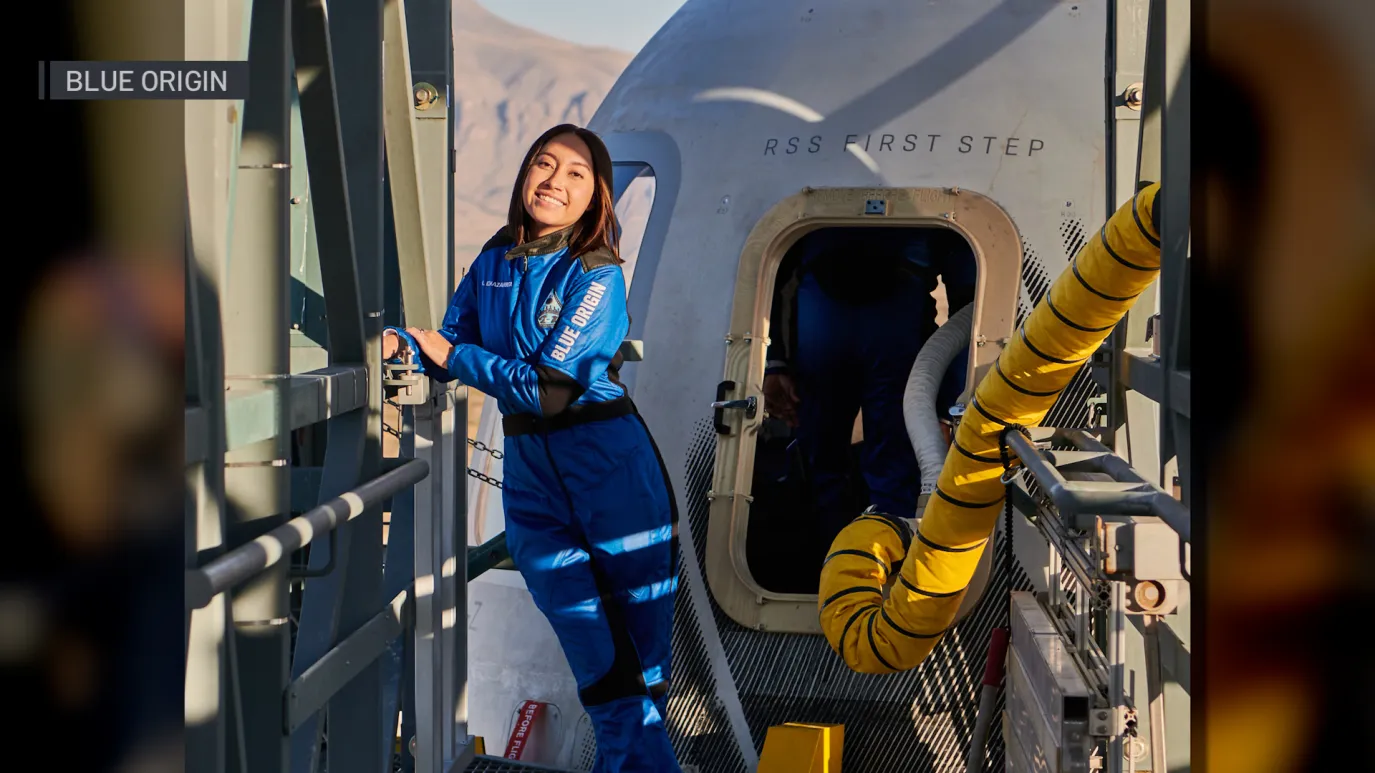
To find answers to these questions, I began by investigating what I had been missing in the church: the world, and women’s perspectives. It was through this process that I discovered Zita Martins, who investigates the origins of life in meteorites and interstellar space, at the boundary between chemistry and philosophy. Then I encountered Susana Iglesias-Groth, who discovered tryptophan in a stellar cloud — one of the fundamental building blocks of life — thousands of light-years away. Diana Trujillo and Liliana Villarreal are colombian women who went on to lead critical operations for NASA’s Artemis missions. Katya Echazarreta, the third latina woman to travel into space, is an astronaut and educator who dedicates her work to bringing younger generations closer to the universe.
These women inhabit professions that have historically been dominated by men, while asking questions that are also my own. Space and faith have this in common: they are territories where, for centuries, women have been absent from the official answers.
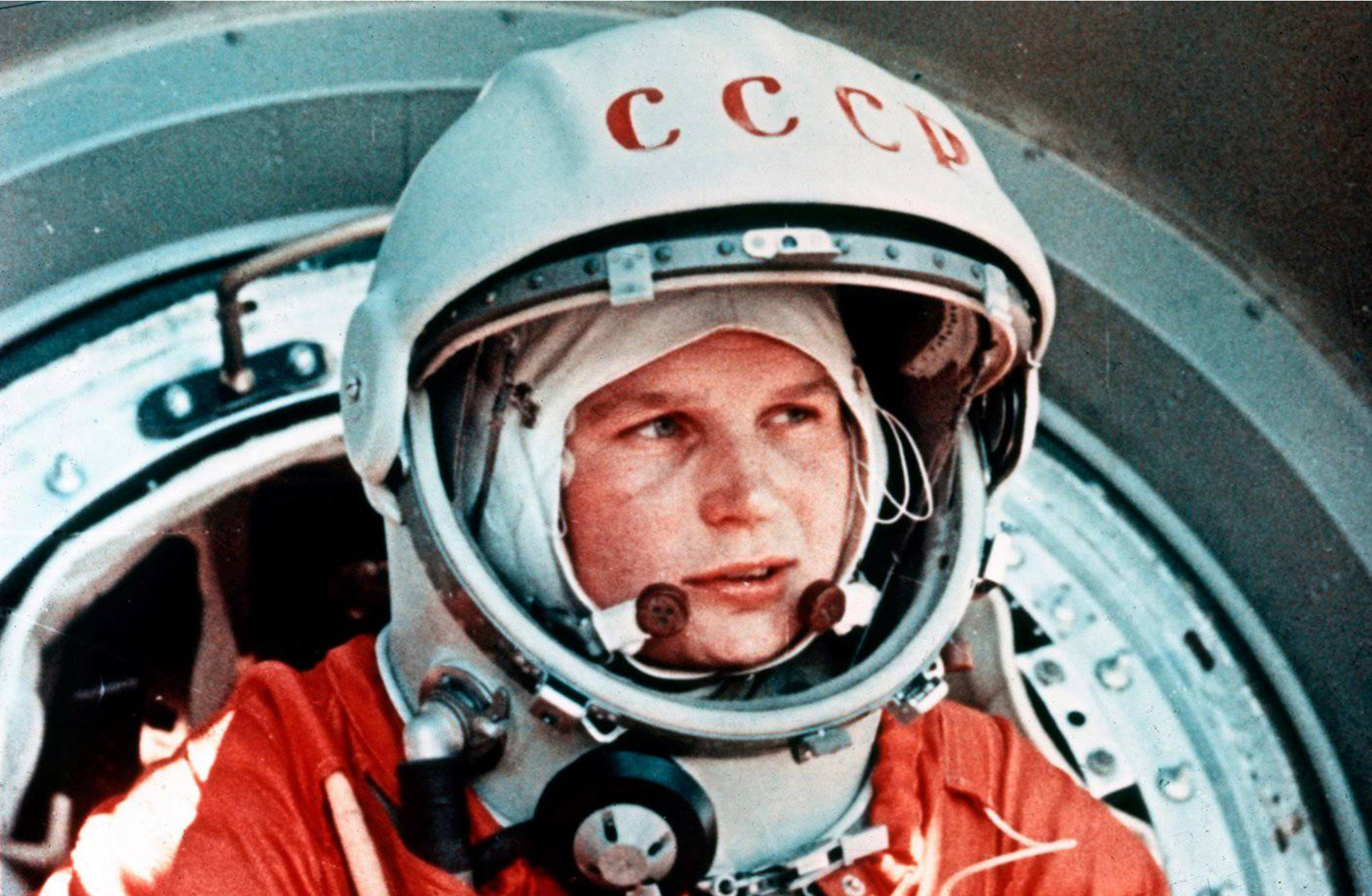
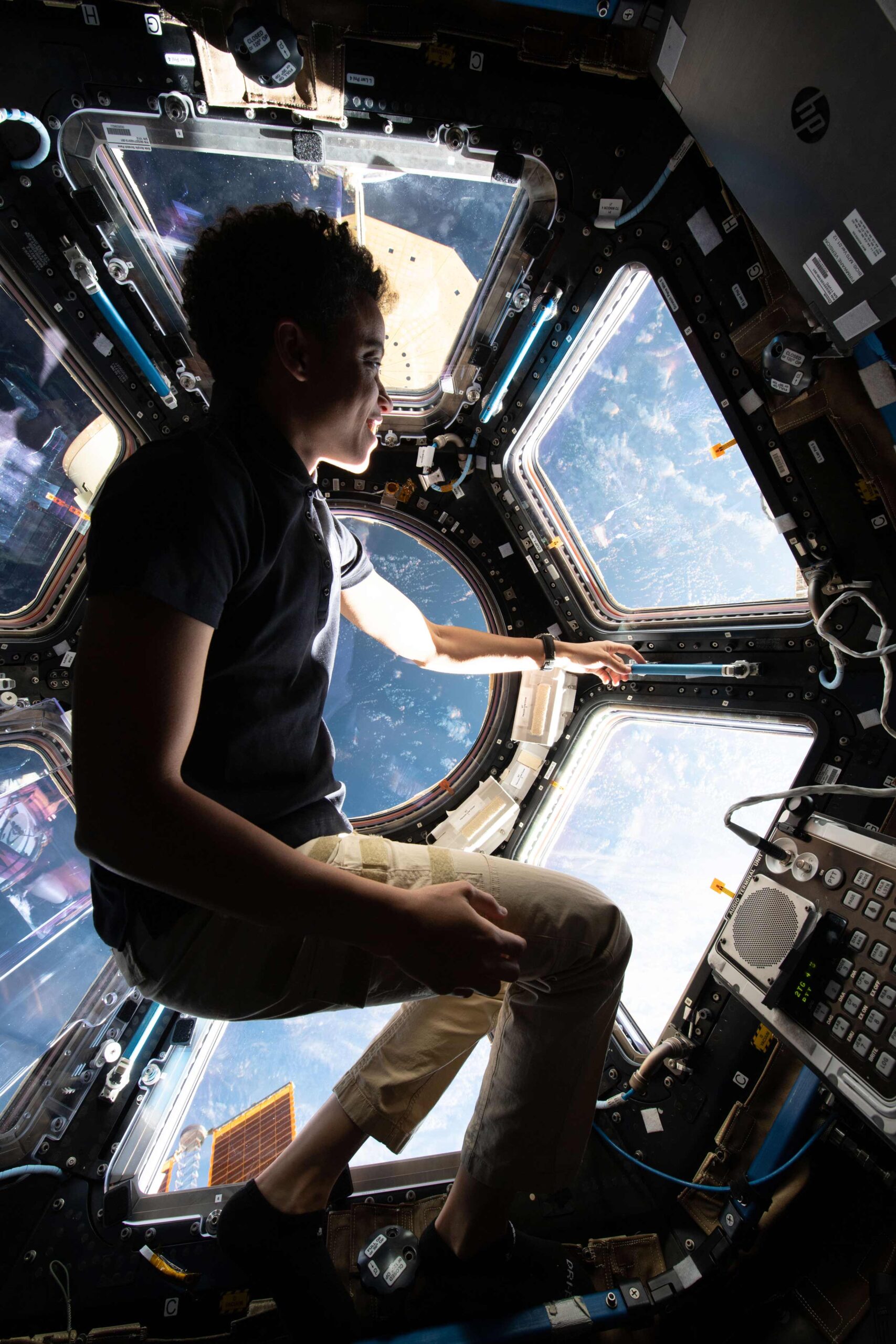
Fewer than 12% of all people who have travelled into space to date have been women. ASTROS wants to open up this world: to show that there is an entire field yet to be explored, and that extraordinary women are investigating it right now. In April 2026, human beings returned to fly around the Moon after decades without doing so. In 2028, the Artemis IV mission is expected to land on the lunar surface, and for the first time in history, a woman is expected to set foot on that celestial body, one so often associated with femininity. We are at a precise cultural moment for this film. The world is looking at space again. And many ibero-american women are at the centre of this moment. I want to be there with them and contribute to this conversation through ASTROS.
Through the stories of several women, ASTROS proposes a way of looking at the universe that is also a way of looking at the cycle of life. Because the universal beauty of this film lies in the way it intertwines three essential dimensions of human existence:
Time — past, present and future,
The body — which gives life, thinks and ages,
Mystery — where we come from, where we are going, and what we do in between.
I am a filmmaker and a mother of two girls who are already beginning to ask their own questions about the world. I grew up between languages, between countries, between landscapes and cultures. The question “Where do I come from?” has accompanied me for as long as I can remember. Now, standing between two generations, it has become: “Where am I going?”
For more than a decade, I have worked with themes that move between the intimate and the political, between memory and the body, between the feminine, diversity and the invisible. Films such as Home – o país da ilusão, Soy Cris de Tierra Bomba and Ellas, Yo, Nosotras have shown that I can transform personal questions into collective narratives, combining poetic depth with documentary rigour.