The Great Absent

The Great Absent began as an idea in 2021. In 2022, it received support from the “Cultural Patronage Programme of the City of Buenos Aires”, which made it possible to deepen the research.

This enabled the director to conduct numerous conversations with former Mercedes-Benz workers, gather textual and photographic archives from public and private collections, and carry out research recordings in the vicinity of the Mercedes-Benz factory in Buenos Aires Province.

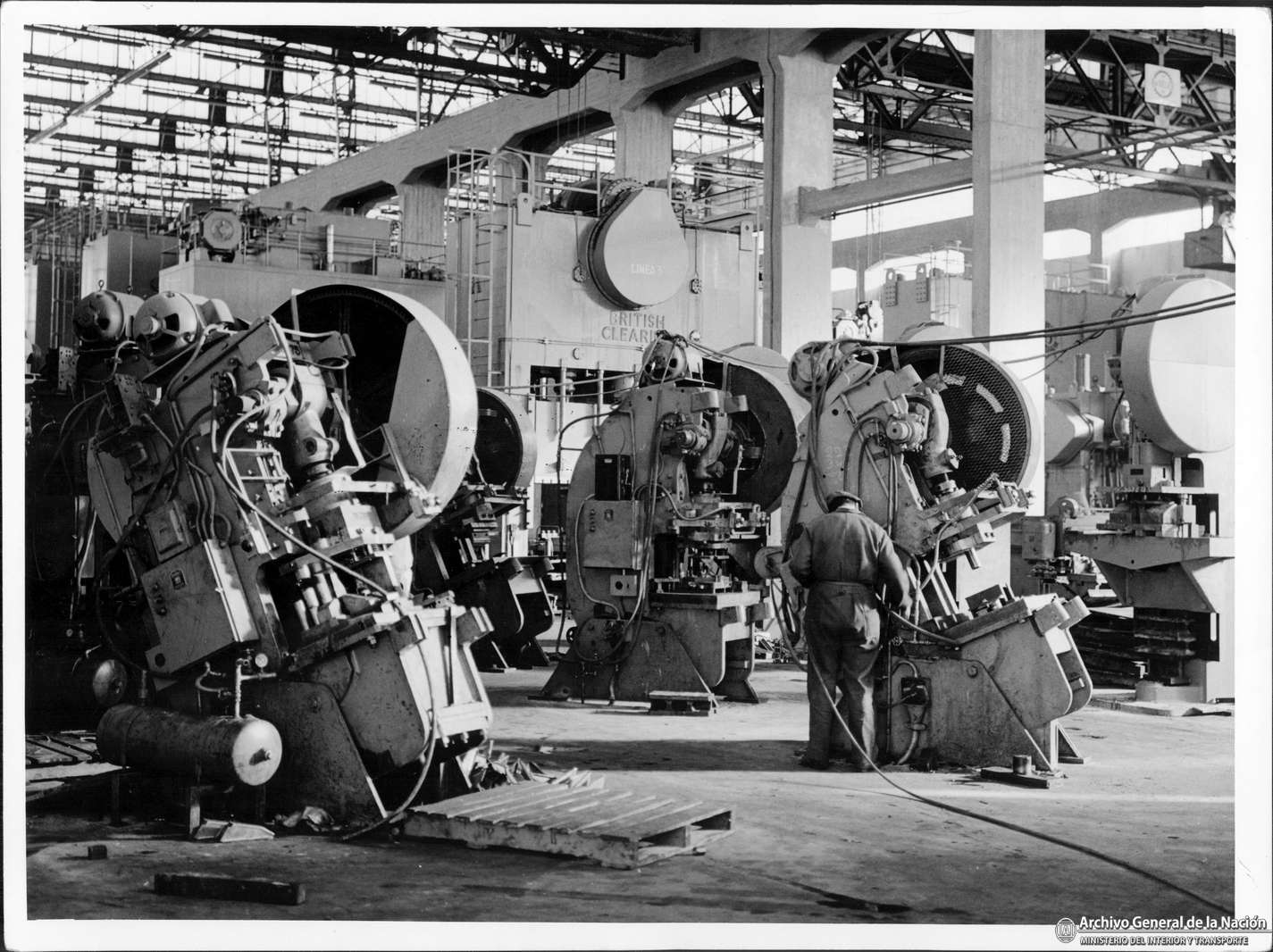
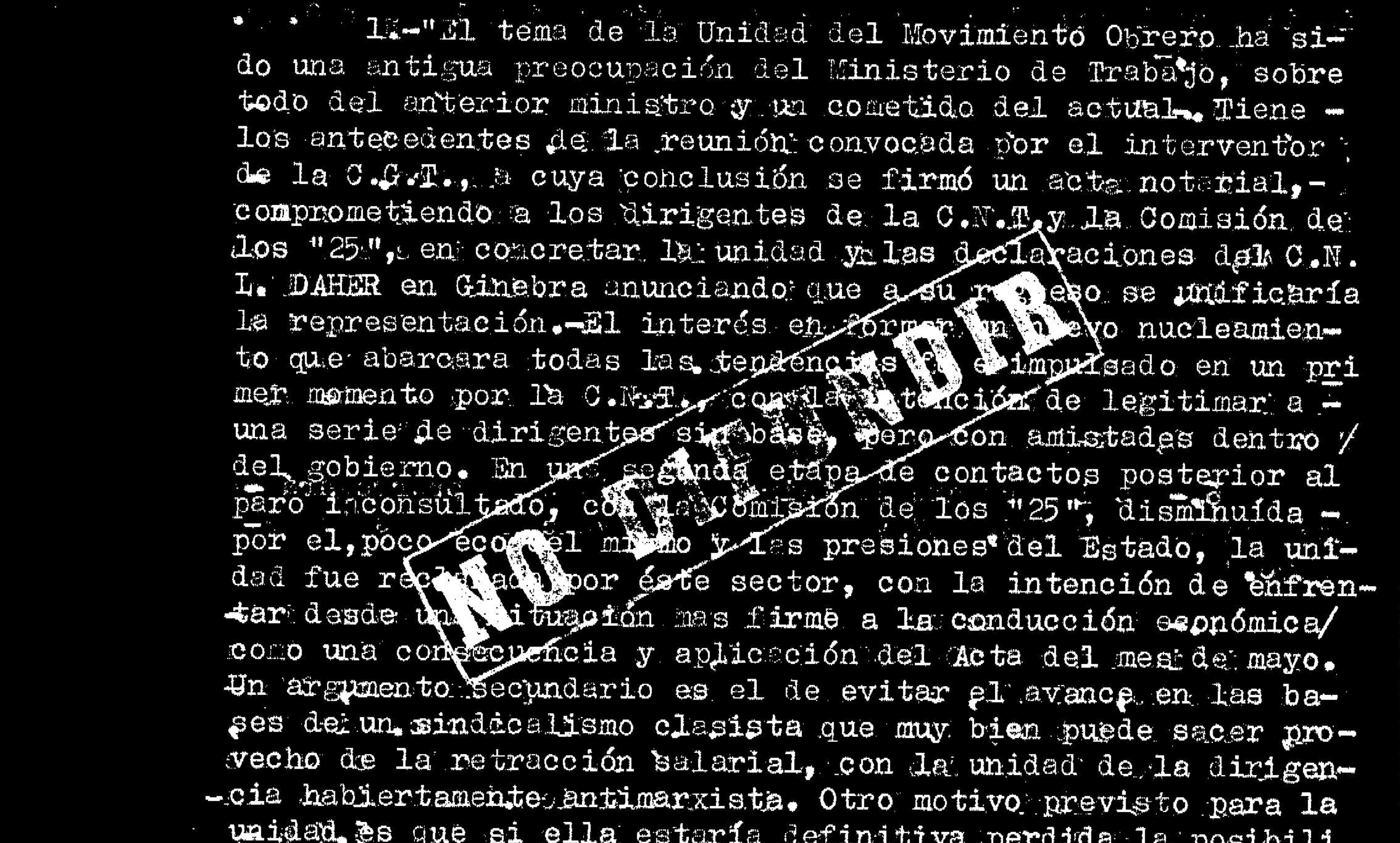
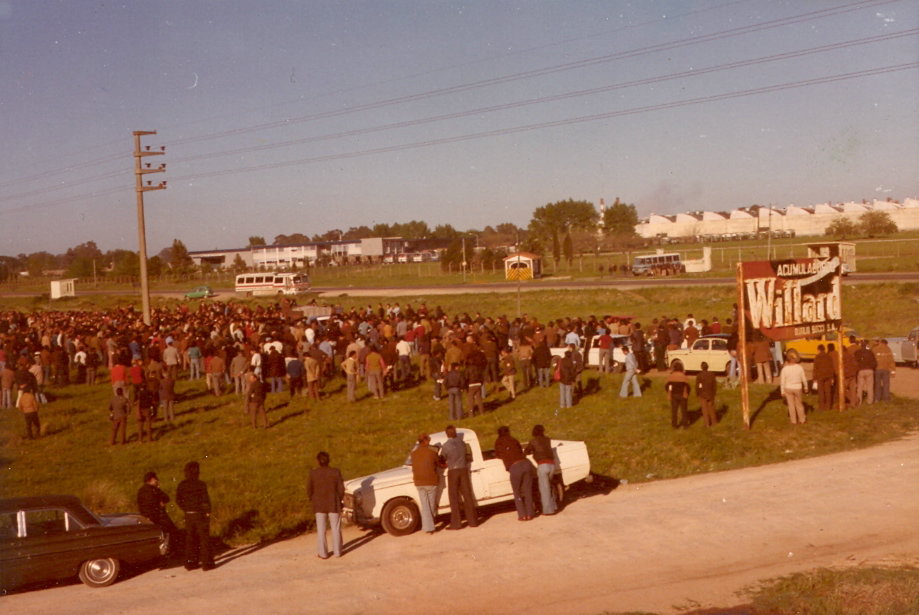
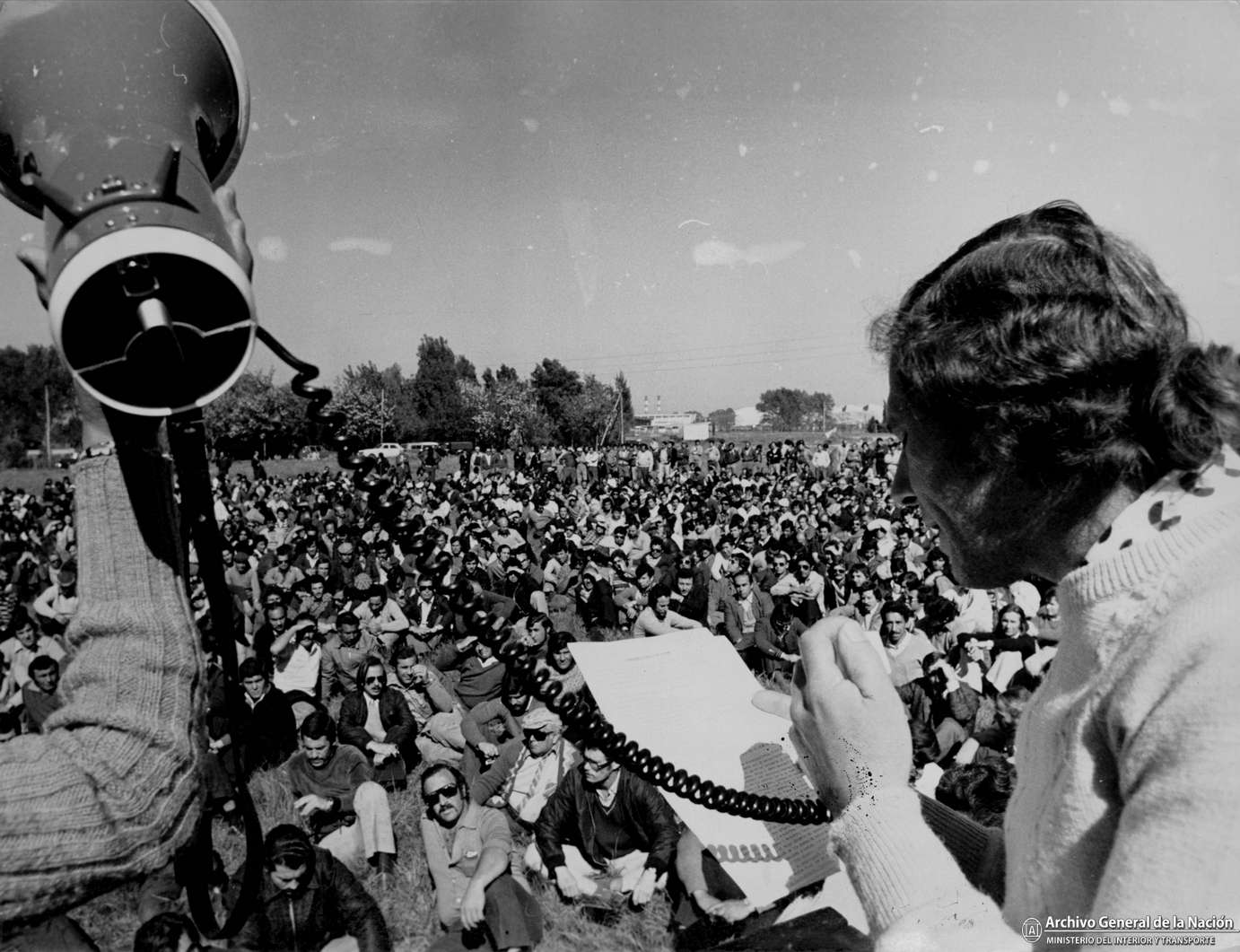
Among the archives researched, two stand out as particularly relevant to the filming: hundreds of documents from the former DIPPBA (Intelligence Directorate of the Buenos Aires Provincial Police), made available by the Provincial Memory Archive, and hundreds of photographs provided by the General Archive of the Nation.

A road at dawn, shrouded in fog. A fence bearing “No Trespassing” signs. In an industrial complex on the western outskirts of Buenos Aires, the shift change begins. Headlights trace the silhouettes of workers leaving their jobs in the middle of the night. Above their heads rises the famous three-pointed star, the symbol of Mercedes-Benz, whose executives have been accused of collaborating in the forced disappearance of workers during Argentina’s last dictatorship.

Only a handful of moving images survive of the workers’ struggle in the 1970s. In a series of photographs they took on the same premises, three women look into the camera. Their first names are handwritten across the images, but no one knows what became of them. In an epistolary tone, I write to one of them: Mari.

Who was this young shorthand typist, a witness to, and later participant in, a historic uprising? Through speculation about her everyday life at the factory, we encounter fragments of the history of workers’ organisation and struggle. Faced with degrading working conditions and a bureaucratic union, the workers staged a 22-day strike in 1975.

German managers with ties to Nazism, armed union gangs, spies on the assembly line reporting on the workers’ political activities: nothing manages to intimidate the grassroots union organisation. Mari types dismissal telegrams while listening to a heated assembly in which an indefinite strike is put to a vote.

Fueled by a spirit of struggle across the industrial belt of Buenos Aires Province, the strike spreads and gains international attention. Months later, following the military coup, seventeen workers will be kidnapped and disappeared. Some of them from inside the production halls themselves, under the watchful eyes of the company’s managers.

Between fabulation and living testimony, the history of resistance of automobile workers and women working in the typing pools takes shape. They are unsuspected guardians of traces of the violence and repression of an era that stubbornly refuses to disappear, but also of a subversive memory that emerges from the pampas and grows among the fences surrounding the factory today.

What injustices shake a body until they prepare it for revolt?

Much later, during a march on the Day of Remembrance, Mari reunites with her fellow typists to devise a plan to recover the dictatorship-era archives that prove the company’s complicity. Together, they rewrite a destiny marked by utopia.

By  Azul Aizenberg
Documentary
Argentina, Portugal
75', Color, 4k, stereo

Credits

Director

Azul Aizenberg

Producer

Pedro Neves

Production

Red Desert
Director’s notes

The Great Absent

By  Azul Aizenberg
Argentina, Portugal
75', Color, 4k, stereo

It all begins with a family photograph. I am one year old, sitting on the hood of a Mercedes-Benz van. As I grew older, I learned that the van had been a gift from my grandfather to my mother. He had it painted silver-grey, covering its original military green. Mercedes-Benz was the army’s main vehicle supplier. My grandfather, who died shortly before I was born, was the company’s number-one dealer in Argentina. The factory, which has been operating in Buenos Aires Province for 76 years, has just announced that it is leaving the country.

A few years ago, I asked my mother questions about my grandfather that she could not answer. He had been absent for most of his life and died unexpectedly, shortly before I was born. Like many others, my family was a clear example of a middle class that “didn’t know much” about what was happening during the years of State terrorism. I set out to investigate this story with the intention of breaking the silence.

I learned that between 1976 and 1977, during the first years of the last military dictatorship, seventeen Mercedes-Benz workers were forcibly disappeared. Some were abducted by military personnel posing as civilians at their workplaces. Others were taken from their homes in the middle of the night. The aim was to purge the factory of “subversives” who were allegedly sabotaging production — activists committed not only to the struggle for better working conditions, but also to a revolutionary political vision. Today, the Provincial Memory Archive preserves blacklists and police intelligence documents that illustrate the role played by the company, handing over names and addresses to the military.

Of those who survived torture, only one, Héctor Ratto, remains lucid. Thanks to the persistent repetition of his testimony as a witness to the company’s handing over of telephone information to the repressive forces, in 2022 the company’s chief manager, Juan Ronaldo Tasselkraut, was formally charged. The involvement of companies in the repression makes clear that the dictatorship had a civil-military character. A systematic plan of destruction in which my grandfather played a part.

Through my contact with former workers and their ongoing struggle for justice, the impulse to denounce my grandfather has been transformed. Following the traces of corporate complicity, I find words and gestures of revolt: echoes of 1975, the height of the workers’ movement in Argentina, when four thousand Mercedes-Benz workers halted production for three weeks.

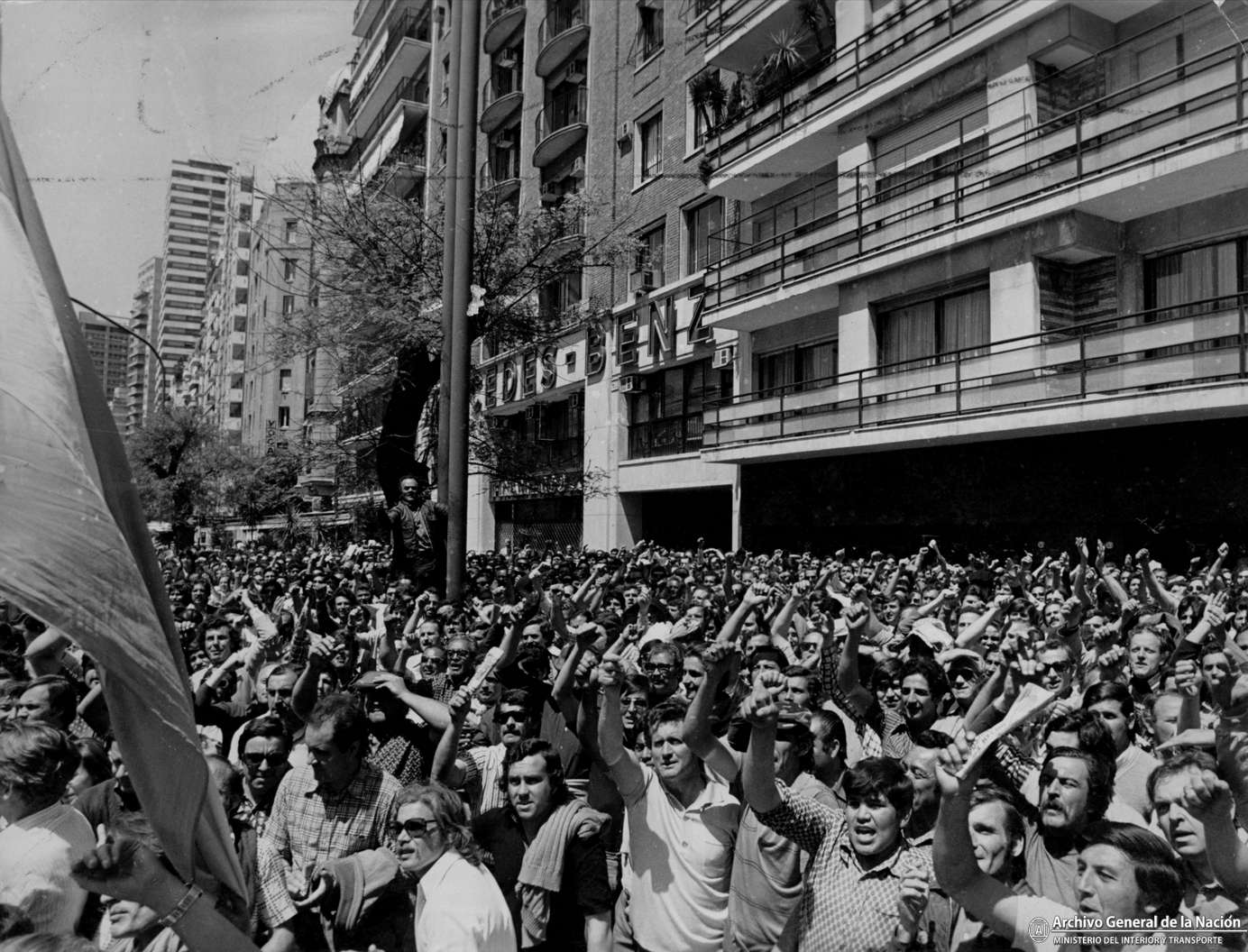
One of the few surviving moving images shows them with their fists raised, shouting silent chants of protest. The last surviving workers, members of the internal committee that defeated the trade-union bureaucracy, tell their stories and open their drawers. A black-and-white photograph emerges: three women workers, standing in the middle of the road, smiling at the camera. Their first names are written on the photograph. They are the secretaries, anonymous women who were part of this struggle, and of whom no trace remains today — either because they cannot be located or because they do not wish to speak about the past.

And yet their ghosts surround the factory. Through the fog on the road, among the wild plants clinging to the impenetrable fence, I can see them.

Can the archives of repression evoke memories of emancipation? A certain institutionalisation of memory, which privileges judicial proceedings, focuses on the figure of the victims. In the trials for crimes against humanity held in Argentina, the militant convictions of survivors are generally omitted or neutralised, contributing to the burial of the transformative power of the movements they were part of in their struggle against the dominant powers.

Since my own political formation, and through my short film Las Picapedreras, one question has haunted me for years: which are the films in which we win? How can we narrate defeat without abandoning the history of resistance?

I firmly believe that cinema has the capacity to recover these revolutionary memories, to embrace their contradictions and their power. Today, the methods of the far right in power bear disturbing similarities to the political climate of 1975. By eliminating hundreds of hard-won rights and unleashing unrestrained repression in the streets, they seek to suppress the transfeminist, picket, and assembly movements that are re-emerging with force.

Faced with this authoritarian advance, through this film I intend to invoke the revolutionary ghosts of our past in order to destabilise our present and open up alternative visions of the future.